
Digital Marketing Strategies to Grow Your Business Online
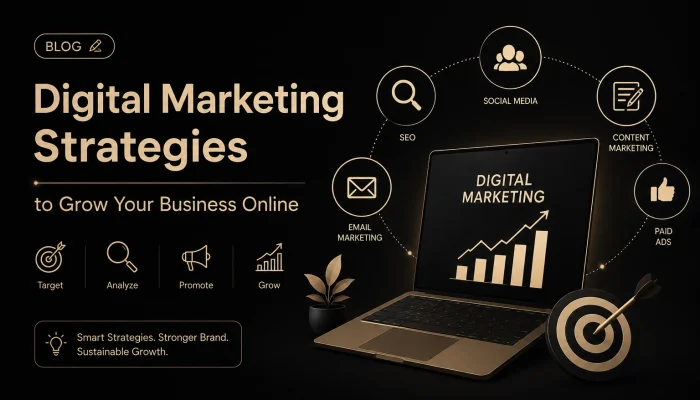
Every business wants more customers, better visibility, and steady growth. Many business owners create a website or social media page expecting people to find them automatically. In reality, success online comes from following the right digital marketing strategies.
A good strategy helps your business reach people who are already looking for the products or services you offer. It also helps you build trust, improve customer relationships, and create a strong online presence.
Digital marketing is not about using every platform or following every new trend. It is about understanding your audience, creating useful content, improving your website, and choosing the right marketing channels. When these elements work together, your business has a better chance of attracting visitors and turning them into customers.
This guide explains practical digital marketing strategies that businesses of every size can use to build a stronger online presence and achieve steady growth.
Understand Your Business Goals
Every successful marketing plan begins with clear goals. Without knowing what you want to achieve, it becomes difficult to measure success or decide where to invest your time and effort.
Your goals may include increasing website visitors, generating enquiries, improving sales, growing brand awareness, or attracting local customers. Each goal requires a different approach.
For example, a local service business may focus on attracting customers from nearby areas, while an online store may want to increase product sales across different locations. Defining your goals helps you choose the right marketing activities and measure progress more effectively.
Simple and realistic goals also make it easier to improve your marketing over time.
Know Your Target Audience
One of the most important digital marketing strategies is understanding your audience. Your marketing becomes more effective when you know who your customers are and what they need.
Think about questions such as:
- Who are your ideal customers?
- What problems are they trying to solve?
- What information are they searching for?
- Which online platforms do they use most often?
- What influences their buying decisions?
The answers help you create content that speaks directly to your audience.
Instead of trying to reach everyone, focus on the people who are most likely to become your customers. This saves time, improves marketing performance, and creates better business results.
Build a Website That Creates a Good First Impression
Your website is often the first place people learn about your business. Visitors quickly decide whether they want to stay or leave based on what they see during the first few seconds.
A professional website should be easy to navigate, load quickly, and work well on mobile phones, tablets, and computers. Visitors should immediately understand what your business offers and how they can contact you.
Important pages every business website should include are:
- Home
- About
- Services
- Blog
- Contact
- Frequently Asked Questions
Clear navigation, simple language, and useful information help visitors stay longer and increase the chances of turning them into customers.
A regularly updated website also shows that your business is active and committed to providing helpful information.
Create Helpful Content That Solves Problems
Publishing useful content is one of the most effective ways to build trust online. People search for answers every day, and businesses that provide clear and reliable information are more likely to attract visitors.
Helpful content can answer common questions, explain products or services, or offer practical advice related to your industry.
Examples include:
- Step by step guides
- Frequently asked questions
- Industry tips
- Case studies
- Customer success stories
- Educational blog articles
- Checklists
Instead of writing only to promote your business, focus on helping your readers. Useful content encourages visitors to spend more time on your website, share your articles, and return when they need more information.
Search engines also prefer websites that regularly publish original, valuable, and trustworthy content.